
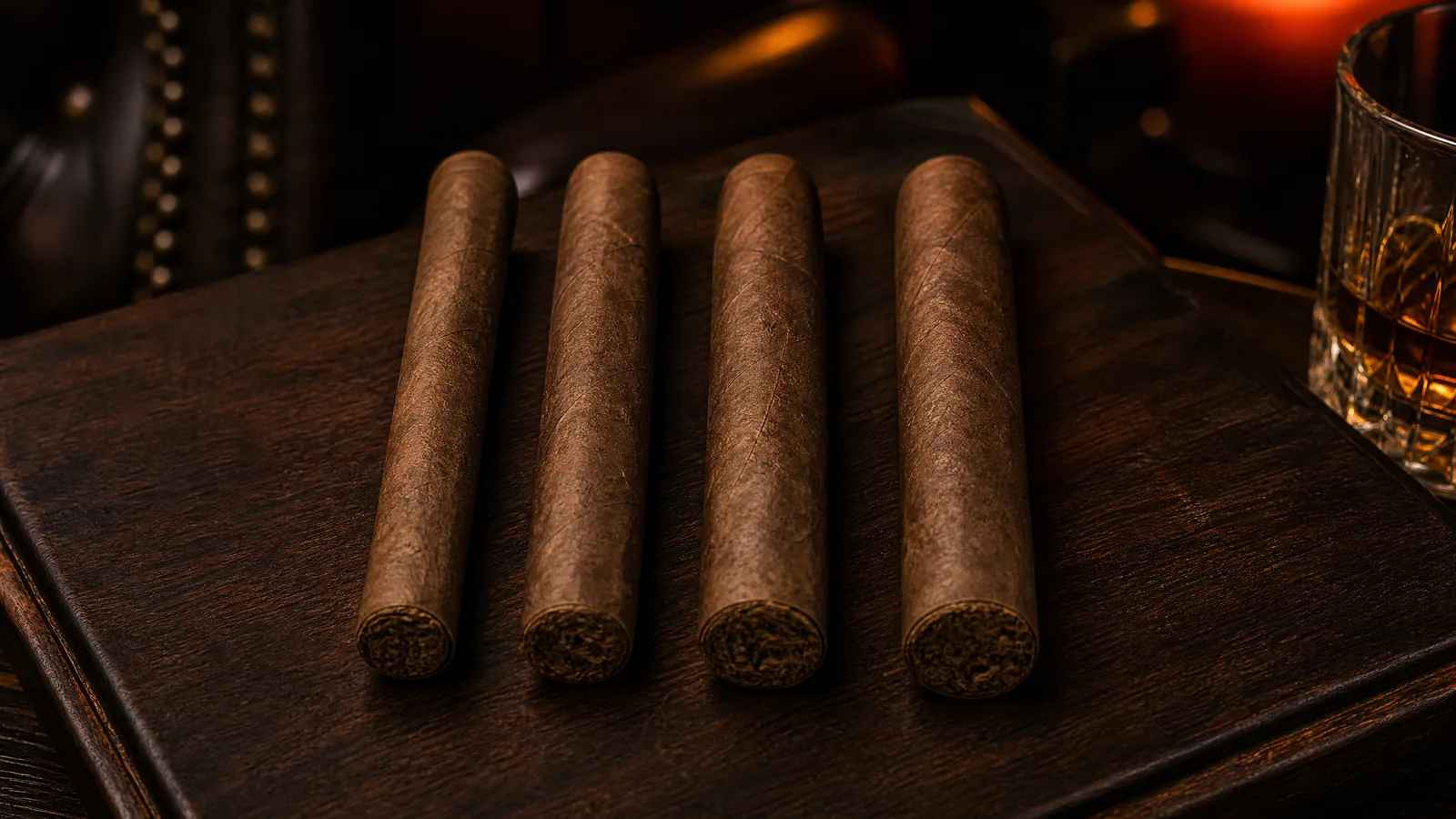
Cigars are getting bigger because the big ones earned it: a wider cigar smokes cooler, lasts longer, and gives the blender more room to work, and smokers noticed. Over the last three decades the American standard has climbed from the low-40s ring gauge corona to the 50 ring robusto to the 60-plus gordo, one of the fastest format shifts this product has ever seen. The 6x60, a size that barely existed commercially before 2001, now sits among the best-selling cigars in the country.
- Ring gauge is a cigar's diameter in 64ths of an inch. For most of the twentieth century the benchmark was the low-40s corona; today the 6x60 gordo ranks third among America's best-selling sizes, behind only the toro and the robusto.
- Big rings won on function: more airflow means a cooler, smoother burn, more filler leaves mean more complex blends, and the format turns a smoke into an evening.
- The whole shift took about 25 years, from 18-inch novelty showpieces in the late 1980s to a 60 ring gauge in nearly every major brand's portfolio today.
This is the whole arc: what ring gauge actually measures, the sizes that used to define the shelf, the cigars that changed it, and the reasons the big ring earned its place, both in the lounge and in the blend room.
WHAT RING GAUGE ACTUALLY MEASURES
Ring gauge is a cigar's diameter measured in 64ths of an inch. A 32 ring cigar is half an inch thick. A 64 ring cigar is exactly one inch. The number says nothing about length, that's the other half of a vitola, so a 6x60 is six inches long and 60/64ths of an inch across, just shy of a full inch of rolled tobacco.
Here's the part that makes size worth understanding: two cigars with the same blend and different ring gauges are different cigars. The ratio of wrapper to binder to filler changes, the airflow changes, the burn temperature changes, and the flavor follows all three. Size is never just size.
WHEN THE CORONA WAS KING
For most of the twentieth century, the corona set the standard: five and a half to six inches long with a ring gauge in the low 40s. Around it lived a whole slim aristocracy, lonsdales, panetelas, lanceros, elegant shapes built for a concentrated, wrapper-forward smoke.
As recently as the mid-1990s, a 46 ring gauge passed for a large cigar. Sit with that for a second. A size most smokers today would call slender was once the big option on the shelf.
THE ROBUSTO ERA
The 1990s cigar boom rewrote the menu. The robusto, five inches by 50 ring, became America's cigar: short enough for real life, thick enough for a richer, cooler smoke than the corona could offer. The toro at 6x52 followed right behind it, and together they took over the top of the sales charts.
The robusto's win mattered beyond its own numbers, because of what it proved. American smokers, given the choice, kept reaching for more ring.
EIGHTEEN INCHES OF NOVELTY
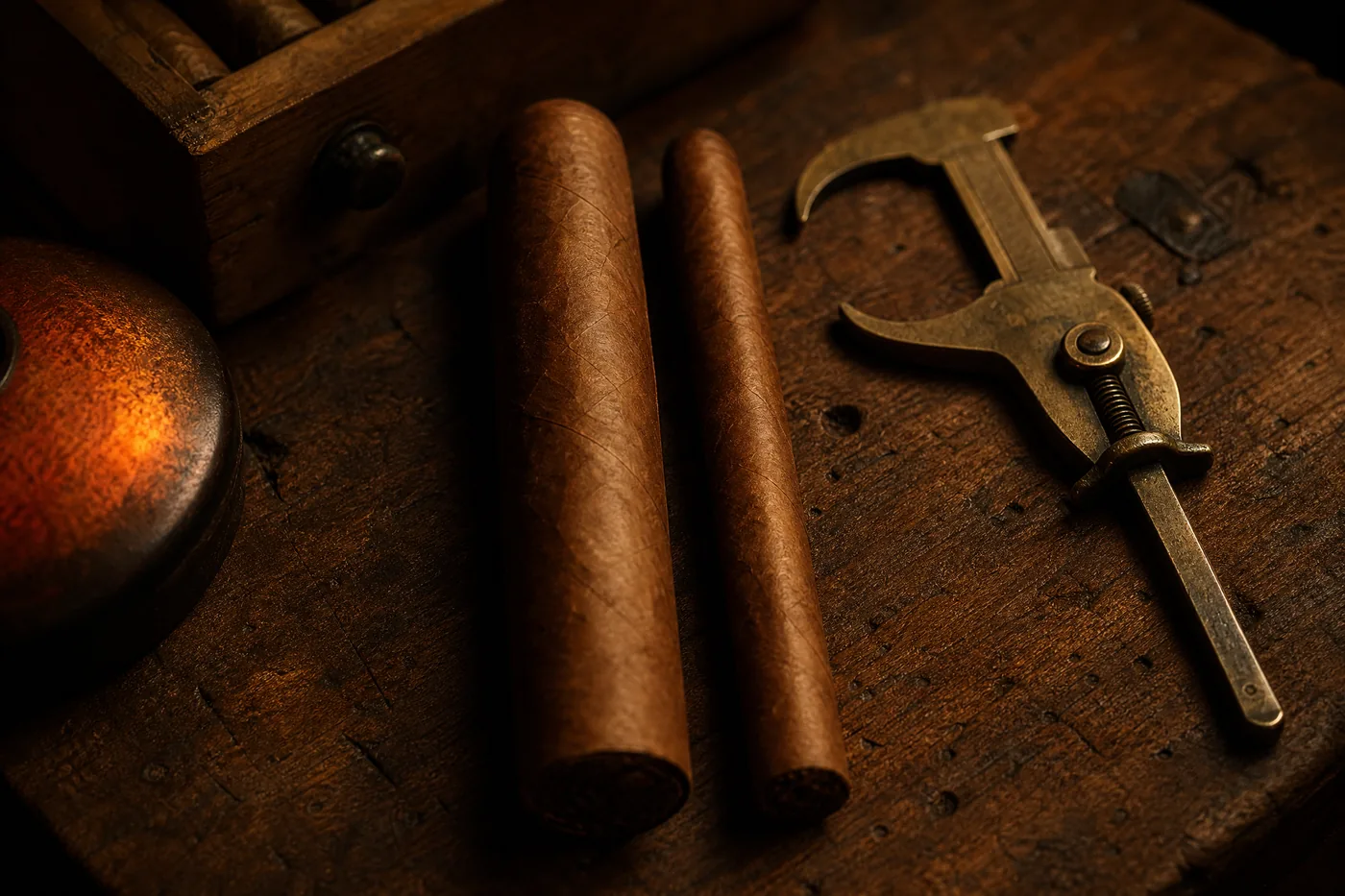
The first truly huge cigars were not meant to be a Tuesday smoke. In 1987, Cuba Aliados released The General: eighteen inches long, 66 ring gauge, a cigar so large it took two wrapper leaves to dress it. In 1994, Rolando Reyes Sr. followed with The Chief at Puros Indios, same outrageous scale, and it built a genuine cult following.
These were showpieces, conversation trophies, the kind of thing a shop kept in the case just to watch people's faces. But they planted a question the industry couldn't unhear: if a little more ring smoked a little cooler, what would more do?
The first serious answer came in 1995, when Stanford Newman marked his family company's hundredth year with Diamond Crown, a line in which every single vitola carried at least a 54 ring gauge. Plenty of people, including some in his own family, thought a whole line that thick was madness. The line outlived the doubters.
THE SIX-BY-SIXTY MOMENT
If the big ring era has a founding father, it's Ernesto Perez-Carrillo, who was quietly rolling custom 66 ring cigars as far back as 1980. In 1997 he brought out La Gloria Cubana Serie R in 52 and 54 ring gauges, thick for the era, and watched them move. Then in 2001 came the Serie R No. 6: six inches, 60 ring gauge.
That cigar is widely credited as the moment the 6x60 stopped being a novelty and became a format. The size picked up a name, the gordo, and the gordo picked up a market.
THE FLOOD
What followed was a two-decade pile-on. Tatuaje added the Gran Cojonu, a 6½x60, in 2004. Saint Luis Rey ran the Serie G up to 60 in 2006. In 2011 Drew Estate built MUWAT, an entire line living at 60 ring. In 2012 Perez-Carrillo doubled down with a brand named simply Inch, offering 64 and 70 ring gauges, the 64 measuring a literal inch across. Asylum pushed to 7x70 and 8x80 in 2013, and Room101's Big Payback matched those numbers a year later.
Even Havana, the most traditional address in the business, moved. The Cohiba Behike arrived in 2010 in ring gauges up to 56, the Romeo y Julieta Wide Churchill brought a 55, and in 2016 Cuba released the Cohiba 50 Aniversario, a 7x60 and the first commercially available 60 ring parejo in Cuban history.
By the early 2020s, virtually every major brand, traditional or modern, carried at least one 60 ring gauge cigar. The 6x60 climbed to third place among America's best-selling sizes, behind only the toro and the robusto. The novelty had become furniture.
WHY THE BIG RING WON
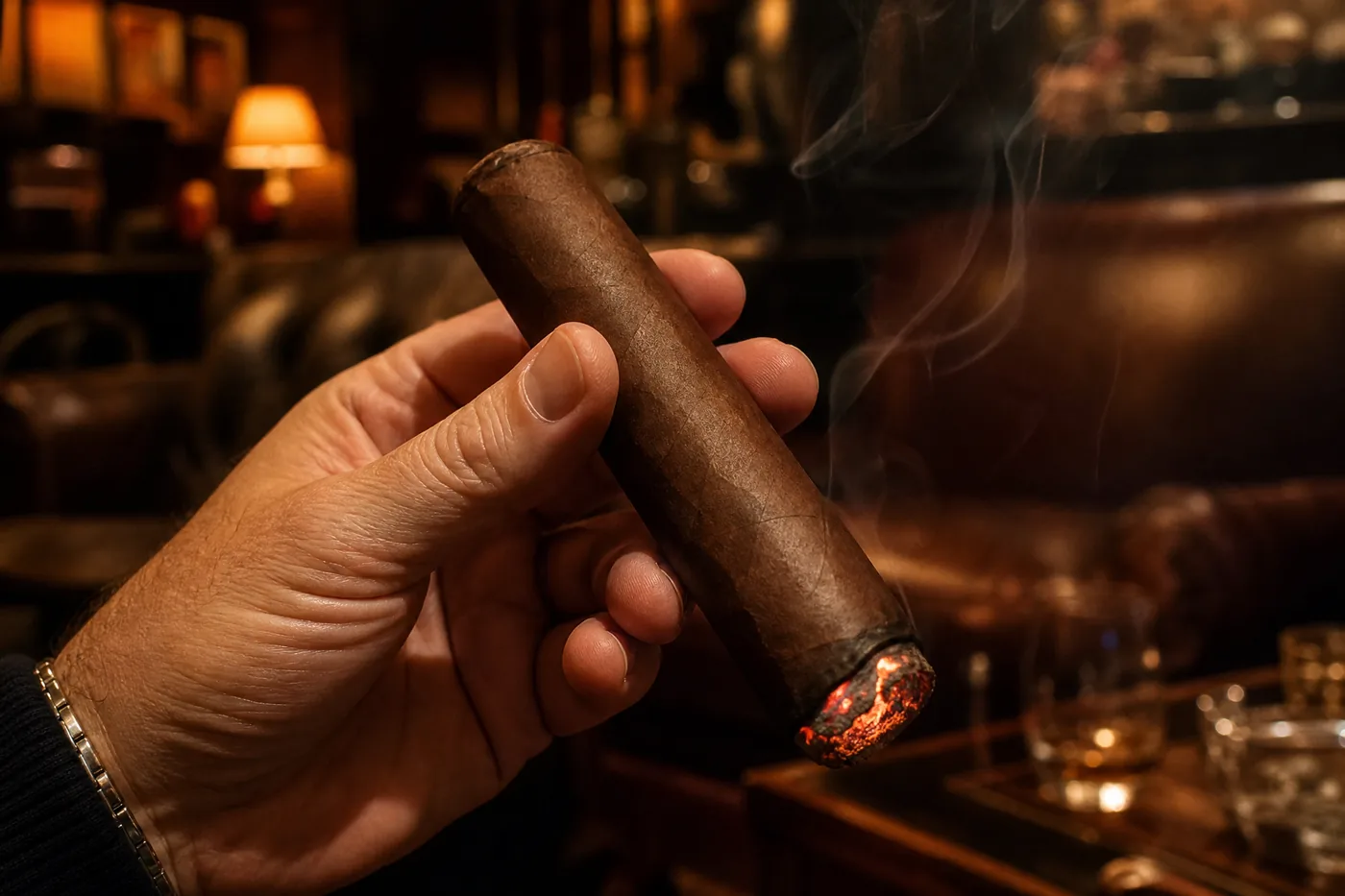
Start with the physics. A wider foot pulls more air through the cigar with every draw, and more air means the ember burns cooler. A cooler ember gives you a smoother, rounder smoke and keeps the harshness of overheated tobacco out of the picture. That's not opinion, it's combustion.
A thicker cigar also burns slower. A gordo turns a smoke into an evening, 90 minutes to two hours at an honest pace, and the true oversized formats can run well past three. For a lot of smokers that's exactly the point. The good part lasts longer.
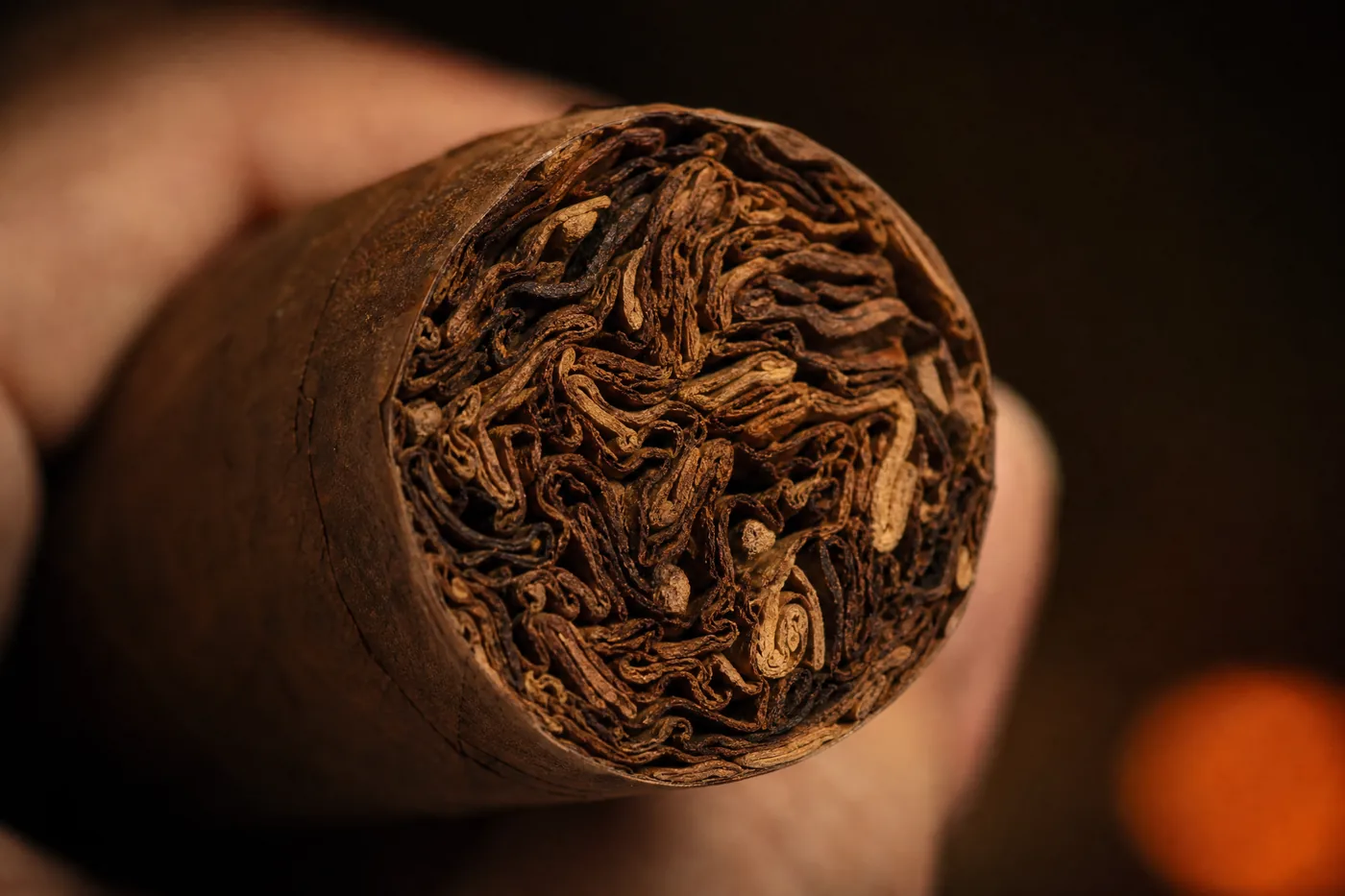
Then there's the blend room. More diameter means more filler leaves in the bunch, and more leaves means more tobaccos in the recipe. Perez-Carrillo has been open about why blenders love the format: combinations that simply don't fit inside a 42 ring have room to breathe inside a 60. The people who make cigars for a living got genuinely creative in there.
And yes, value pulled its weight. A big ring delivers more tobacco and more smoking time per dollar, and makers priced the format to be reachable, some of the 8x80s retail for around the price of lunch. More cigar, more hours, fewer dollars per minute. The math was never complicated.
The 6x60 didn't beat the robusto by shouting. It won the way cigars win: one relaxed evening at a time.
HOW FAR CAN IT GO?
The ceiling keeps getting tested. Ring gauges in the 70s and 80s are regular catalog items now. The novelty end has blown straight past 100: RomaCraft's CroMagnon Femur runs ten inches at over 130 ring gauge and weighs close to half a pound. It is less a cigar than a commitment.
But the market seems to have found its comfortable ceiling in the 60s and low 70s. Somewhere past 80, a cigar stops fitting the hand, the cutter, and the hour you had for it. The formats that stuck are the ones big enough to earn the benefits and small enough to still be a cigar.
NOT EVERY HOUSE BUILDS BIG
Some of the most respected blending houses in the world still draw their line lower. Davidoff keeps its core lines at 54 ring and under, a philosophy its longtime master blender Hendrik Kelner tied to balance: a big ring can hold more tobaccos, but keeping them consistent from the first third to the last takes real control. Plenty of Cuban classics never grew at all.
That isn't resistance, it's a house style, the same way one distillery chases proof and another chases roundness. The win for smokers is that both shelves exist. There has never been a wider range of honest formats to choose from than right now.
FINDING YOUR RING
If you've been smoking the same vitola for years, the experiment is cheap and pleasant: take a blend you already love and buy it one size up. Expect the delivery to soften, the smoke to come cooler and creamier, the filler tobaccos to step forward, and the clock to stretch.
Give it the time it asks for. A gordo is not a lunch-break cigar, and rushing one defeats the entire reason it exists. Cut it with a tool that actually fits it, toast the wide foot patiently, and settle in.
The corona rewards an hour you already have. The gordo asks you to make one. Both are worth it.
GLOSSARY
| TERM | DESCRIPTION |
|---|---|
| Ring gauge | A cigar's diameter measured in 64ths of an inch. A 64 ring gauge cigar is exactly one inch thick; a 60 ring is just under an inch. |
| Vitola | The combination of a cigar's length, ring gauge, and shape. A 6x60 gordo and a 5x50 robusto of the same blend are different vitolas. |
| Corona | The classic benchmark size for most of the twentieth century: roughly 5½ to 6 inches with a ring gauge in the low 40s. |
| Robusto | Five inches by 50 ring gauge, the size that took over the American market during the 1990s boom. |
| Toro | Six inches by 52 to 54 ring gauge; today one of the two best-selling sizes in America alongside the robusto. |
| Gordo | The modern big-ring standard, most commonly 6x60, sometimes labeled gigante or grande. |
| Parejo | A straight-sided cigar with parallel sides, the standard cigar silhouette regardless of size. |
| Figurado | Any cigar with a shaped, non-straight silhouette, such as a torpedo or pyramid. |
| Bunch | The gathered filler leaves inside a cigar. A larger ring gauge holds more leaves, giving the blender more room for complexity. |
| Foot | The open end of the cigar that you light. On a large ring gauge, a wide foot pulls more air and burns cooler. |
FREQUENTLY ASKED QUESTIONS
Everything you want to know about large ring gauge cigars.